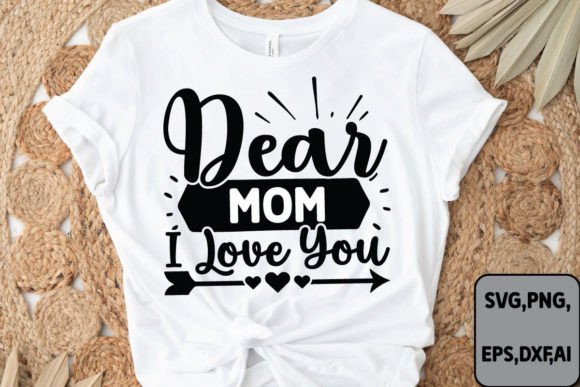
Dear Mom I Love You Svg Embroidery Review
When I sit down to review a new digital asset, my first instinct is always practical: will this actually work on the hoop? It doesn’t matter how beautiful a vector looks on a screen if it falls apart when translated into thread. As a designer who frequently bridges the gap between digital graphics and physical embroidery, I look for clarity, balance, and emotional resonance. Today, I am evaluating the Dear Mom I Love You Svg from Ls Creative Shop. This file markets itself as versatile—suitable for print, Cricut, and Silhouette—but my focus here is strictly on its potential as a machine embroidery design for real-world projects.
First Impressions and Visual Personality
The moment you open the file, the mood is immediately established. The phrase "Dear Mom I Love You" carries inherent sentimentality, but the execution determines whether it feels cheesy or chic. In this case, the layout suggests a classic, heartfelt aesthetic that leans heavily into typography-driven design. For an embroidery project, text-based designs are risky. They require precise kerning and consistent stroke weights to remain legible after stitching.
Visually, this design feels warm and approachable. It does not attempt to be avant-garde; instead, it aims for timeless appeal. This makes it an excellent candidate for personalized gifts and handmade products where the emotional connection is the primary selling point. The visual personality is soft yet confident, suggesting that it would perform well on custom apparel like sweatshirts and t-shirts, where comfort and casual style meet personal expression.
Real-World Application: From Screen to Stitch
Let’s imagine a specific scenario. I am preparing a batch of custom embroidered tote bags for a local boutique’s Mother’s Day collection. These bags need to be durable, stylish, and clearly communicate their purpose without being overly loud. I pull up the Dear Mom I Love You Svg to test how it translates into an embroidery file.
In this context, the design shines. The lettering is likely structured to allow for clean satin stitch applications, which are essential for text legibility. When digitized correctly, the curves of the letters should flow smoothly, avoiding the jagged edges that often plague poorly optimized text files. On a canvas tote bag, the contrast between the thread and the fabric will highlight the message effectively. It transforms a simple accessory into a giftability powerhouse, increasing the perceived value of the finished product.
Similarly, consider using this design for baby clothes or nursery decor. The softer connotations of the phrase make it suitable for baby embroidery projects, such as onesies or blanket borders. Here, the stitch density must be managed carefully to ensure the fabric remains soft against a baby’s skin. If the design includes decorative accents or hearts, they should be spaced to prevent puckering, maintaining the integrity of the garment.
Technical Performance and Design Assets
For Etsy sellers and small shop owners, the versatility of this digital embroidery file is a significant advantage. Because it is marketed for both print and cut machines, it offers multiple revenue streams. However, when treating it as a machine embroidery design, several technical factors come into play.
- Stitch Density: High-density areas can cause fabric distortion, especially on lightweight materials. Reviewers should check if the fill stitches are balanced with adequate run stitches to stabilize the area.
- Hoop Size: Ensure the bounding box of the design fits your standard hoops. A design that is too wide may require repositioning or splitting, which can complicate the workflow for high-volume production.
- Thread Colors: The design’s success often hinges on color choice. For a dark fabric, light or metallic threads might be necessary to maintain visibility. Conversely, on white or pastel fabrics, darker threads provide striking contrast. Testing various thread colors in black-and-white mockups can help predict final legibility.
Furthermore, the design’s suitability for commercial embroidery depends on its complexity. Simple text-based designs are generally easier to digitize consistently, reducing waste and time. This efficiency is crucial for craft business owners who need to produce items quickly without sacrificing quality.
Where Caution Is Required
While this design has broad appeal, there are situations where it requires careful handling. Avoid using this file for embroidered patches intended for heavy-duty use unless the border is reinforced. Small details, particularly in the apostrophes or fine serifs, may get lost if the hoop size is too small relative to the design scale.
Additionally, textured fabrics like denim or thick fleece can obscure fine details. On these materials, the design might appear muddy or indistinct. It is best suited for smoother surfaces like cotton blends, polyester, or linen. Also, be mindful of stretchy fabrics; without proper stabilizer support, the tension of the running stitch or fill stitch could distort the garment over time.
Practical Notes for Embroidery Designers
Before committing this design to a large production run, I strongly advise taking a few precautionary steps. First, always test the design on scrap fabric that matches the texture and weight of your final material. This reveals issues with puckering, thread breakage, or tension imbalance early on.
Second, inspect the small details closely. Zoom in on the digital preview to ensure that no elements are so thin they might tear through during stitching. If the design relies on tiny lettering, consider enlarging it slightly in your software to improve readability.
Third, verify the licensing terms provided by Ls Creative Shop. While the description mentions usage for Print, Cricut, and Silhouette, confirm whether commercial rights extend to embroidered finished goods. Clarity here protects your brand consistency and legal standing.
Finally, think about the end-user experience. Will the customer appreciate the craftsmanship? A well-executed embroidery project using the Dear Mom I Love You Svg communicates care and attention to detail. Whether it ends up on a tote bag design, a sweatshirt embroidery piece, or a holiday gift, the emotional impact is amplified when the technical execution is flawless.
Final Verdict
The Dear Mom I Love You Svg is a solid addition to any designer’s library of design assets. It balances emotional appeal with practical usability, making it ideal for holiday embroidery, wedding gifts, and everyday personalized products. By understanding its strengths and respecting its limitations regarding fabric type and stitch density, designers can create professional-grade finished products that resonate with customers. For those looking to expand their offerings in the graphics and crafts categories, this file offers a reliable foundation for creative exploration.