I’m the Mawmaw Bunny: A Designer’s Review
As a designer who spends half my life staring at stitch density charts and the other half trying to explain to clients why their favorite fabric isn’t working with the current hoop size, I approach every new embroidery file with a healthy dose of skepticism. We’ve all been there: you see a cute graphic online, buy it thinking it’ll be perfect for your next batch of handmade products, only to find out that the tiny details turn into a muddy blob after three passes of the machine.
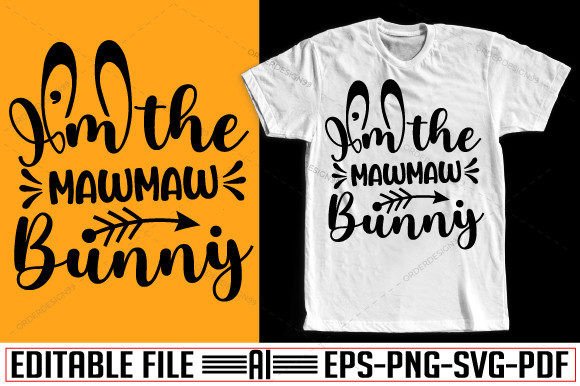
This week, I pulled up the I’m the Mawmaw Bunny design from the Crafts category under Graphics. On paper, it sounds like a standard sweet-natured motif. But in practice, does it hold up? Can it stand alone as a commercial asset, or is it just filler content for a bundle? After running through some mental mockups and reviewing the vector structure, here is my honest take on whether this design deserves a spot in your library.
First Impressions: Mood and Visual Personality
The immediate draw of I’m the Mawmaw Bunny is its emotional resonance. It taps directly into the "grandparent pride" market, which is huge right now. The bunny element adds a layer of softness and nostalgia that appeals to both the recipient and the gift-giver. Visually, the layout feels balanced. It isn’t overly cluttered, which is a relief. Too many designs try to cram too much sentiment into a small space, resulting in a visual noise that looks cheap when stitched.
From a design assets perspective, the vector nature of the file suggests clean lines. This is crucial because embroidery translates pixels into physical thread. If the original vector has jagged edges or inconsistent stroke weights, the machine will struggle to interpret them cleanly. The mood here is warm, inviting, and slightly playful. It doesn’t feel corporate or stiff; it feels like something you’d genuinely want to wear or display in a home setting.
Real-World Application: Where Does This Design Shine?
Let’s talk about where this design actually lives in the wild. I imagine I’m the Mawmaw Bunny performing exceptionally well on specific types of custom apparel and accessories. Here is how I see it playing out in real project scenarios:
- The Classic Tote Bag: One of the most popular items for an Etsy seller or craft fair booth is the canvas tote. Placing this design centrally on a natural cotton canvas bag creates a high-contrast, artisanal look. The text “I’m the Mawmaw” serves as the focal point, while the bunny acts as a charming accent. It’s practical, reusable, and highly giftable.
- Sweatshirt Embroidery: Think of a heather grey or cream crewneck sweatshirt. This design fits perfectly on the left chest area or centered on the back. The softness of the bunny theme pairs beautifully with the cozy texture of fleece or cotton blends. It elevates a basic garment into a personalized gift that feels special rather than mass-produced.
- Kitchen and Home Decor: Don’t overlook tea towels. A simple white flour sack towel embroidered with this design becomes a stunning kitchen piece. The contrast between the crisp white fabric and colored threads makes the design pop. It also works well as a decorative pillow cover for a nursery or a grandchild’s room.
- Baby and Nursery Items: For those making baby embroidery projects, this design bridges the gap between baby gear and parent gear. It could work on a burp cloth, a muslin blanket, or even a onesie (with appropriate sizing adjustments). The bunny motif is universally loved, ensuring broad appeal.
The versatility of this machine embroidery design lies in its adaptability. Whether you are creating a single custom order for a client or producing a batch of 50 for a boutique shop, the design holds its own. It’s not so niche that it limits sales, nor is it so generic that it lacks character.
Technical Considerations and Potential Pitfalls
While the concept is strong, execution is everything. As a reviewer, I have to point out areas where this design might face challenges depending on how you use it. Not every surface is created equal, and ignoring these factors can lead to frustrating results.
Fabric Texture and Stability
If you plan to embroider this on a textured fabric like a heavy waffle-knit sweater or a rough burlap tote, you need to be careful. Textured fabrics can distort the satin stitch outlines, making the lettering look wavy or uneven. Always test on a scrap piece first. Additionally, thin fabrics like silk or lightweight rayon require a sturdy stabilizer to prevent puckering. Without proper support, the tension of the thread will pull the fabric, ruining the clean lines of the bunny shape.
Hoop Size and Detail Resolution
Check your hoop size constraints. If you are attempting to digitize or use this on a very small area, such as a cap brim or a tiny patch, the fine details of the bunny’s ears or facial features might get lost. Dense stitch areas can become thick and stiff, which is uncomfortable against skin. If the design includes tiny lettering, ensure it remains legible after stitching. Sometimes, what looks good on screen becomes unreadable on fabric due to thread thickness.
Thread Color Contrast
The success of this design hinges heavily on thread colors. On dark fabric, you will need a dense underlay or a lighter base color to make the design visible. Conversely, on light fabric, you have more freedom but must ensure the colors don’t blend together if they are too similar in value. I recommend testing black-and-white mockups to check contrast before committing to a full run of thread spools.
Why This Design Adds Value to Your Business
For the craft business owner, I’m the Mawmaw Bunny is more than just a picture; it’s a trust signal. When customers see high-quality, thoughtful embroidery on a product, they perceive higher value. They assume the maker put care into the project. This design helps build brand consistency if you specialize in family-oriented gifts. It says, “I understand the emotional connection people have with their families.”
Furthermore, its inclusion in the digital product sphere means it can serve multiple purposes. You can offer it as a printable mockup for customers to visualize, or sell it as a commercial embroidery license for other designers. The fact that it is provided as a print-ready vector file gives you flexibility. You aren’t locked into one rigid format. You can scale it, adjust it, or integrate it into larger compositions for art prints or invitations.
Final Verdict: Is It Worth the Investment?
After weighing the aesthetic appeal against practical usability, I’m the Mawmaw Bunny earns a solid recommendation. It strikes a rare balance between being cute enough for personal projects and professional enough for commercial resale. It avoids the trap of being overly complicated, which makes it accessible for beginners while still satisfying experienced digitizers who appreciate clean vector structures.
Before you start your production line, remember to:
- Test the design on your actual target fabric.
- Verify the stitch density to avoid bulkiness.
- Confirm licensing terms if you intend to sell finished goods.
- Experiment with different thread colors to find the best match for your brand palette.
If you are looking to expand your catalog of small shop products or add a heartwarming option to your holiday embroidery collection, this design is a smart addition. It’s reliable, emotionally engaging, and versatile. Just remember: no matter how good the file is, the quality of your finish depends on your preparation. Treat it with respect, stabilize properly, and watch your customer engagement rise.